Why I Am Sharing These Lessons
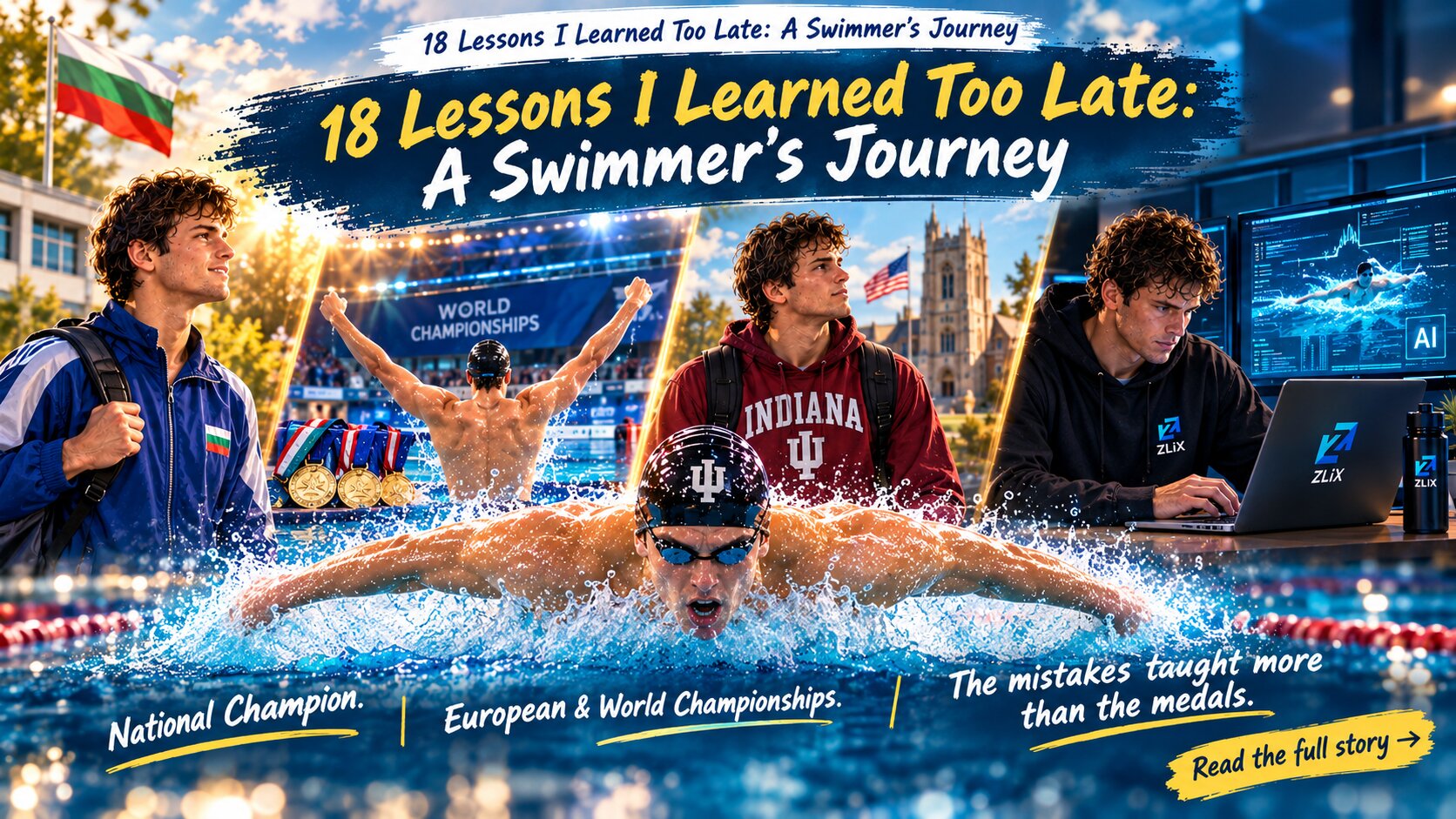
For nearly twenty years, swimming was my life. I became one of Bulgaria’s top freestyle swimmers, won national titles, competed at European and World Championships, and eventually earned a scholarship to swim in the United States.
From the outside, it probably looked like a successful sports career.
In many ways it was. But looking back more than twenty years later, I realize that some of my most important lessons came from the mistakes I made along the way.
I repeatedly pushed myself beyond limits that my body was warning me not to cross. I competed when I was sick. I often believed that more training was the answer, when in reality I should have focused more on quality than quantity.
I had the opportunity to observe some of the best swimmers in the world, yet I did not always learn as much from them as I should have. Being national champion for many years can quietly convince you that you know more than you actually do.
Later, when I moved to the United States at age 22, I made a different kind of mistake. I wanted everything. I wanted to become a better swimmer, but I also wanted the best education I could possibly get.
In Bulgaria we have a saying: “You can’t carry two watermelons under one arm.”
At the time, I was convinced I could.
Life eventually taught me otherwise.
Do I regret choosing university over pursuing the Sydney Olympics in 2000? Not at all. My goal was never just to participate. I wanted to compete with the best in the world.
At the same time, I knew that education would shape the rest of my life long after swimming was over.
The choices I made eventually led to injuries that still affect me today. They also led me into technology, entrepreneurship, artificial intelligence, and ultimately to building ZLiX.
That is why I am sharing these 18 lessons.
Not because I have all the answers. Quite the opposite.
I am sharing them because if even one young athlete, parent, student, entrepreneur, or dreamer avoids repeating one of my mistakes, then reliving these stories will have been worth it.
Some of them are funny. Some are painful. A few still make me shake my head and wonder what I was thinking.
But all of them are true.
Every one of them helped shape the person I am today.
Lesson 01
The Broken Backpack: Discipline Begins
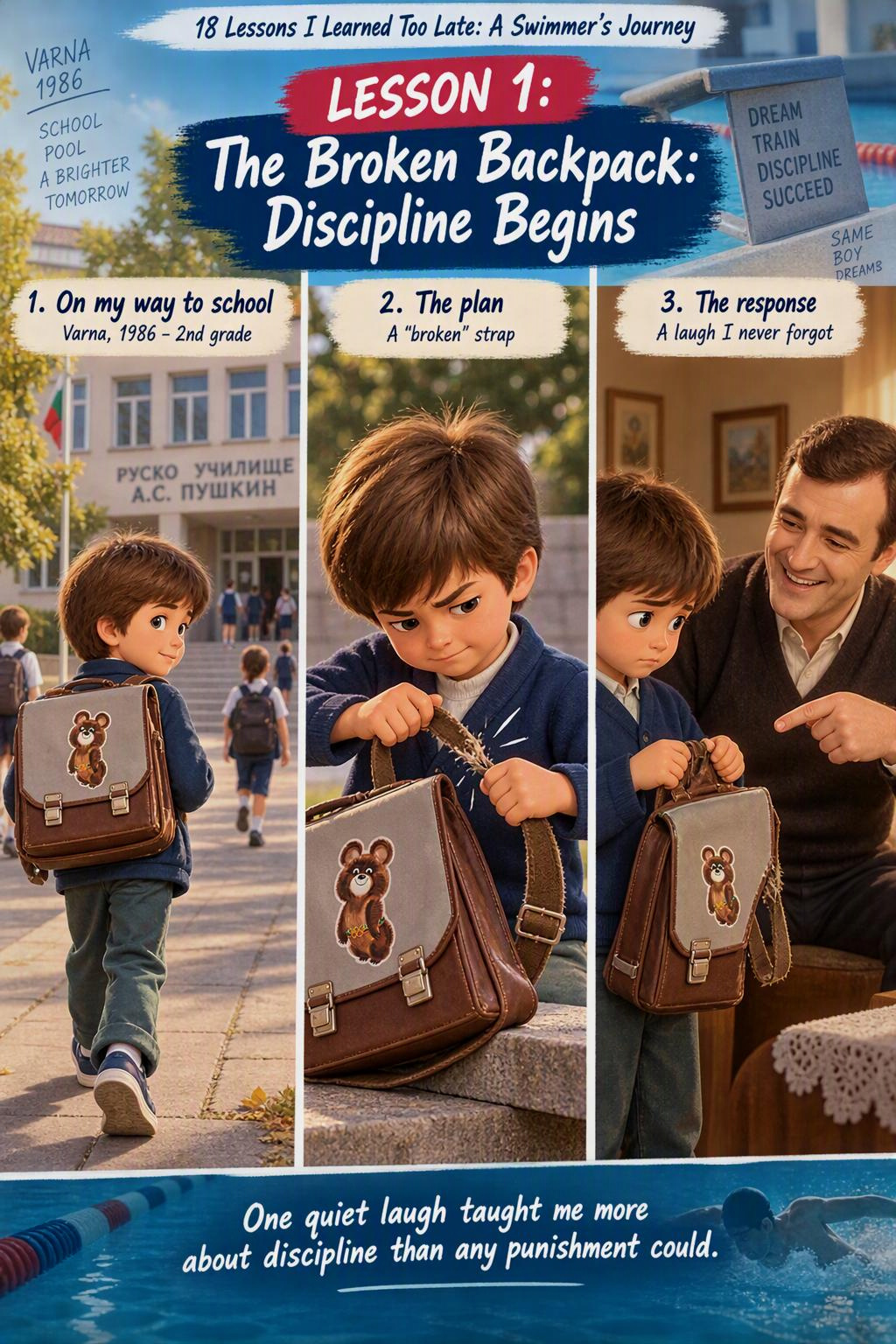
At age seven, I developed what I believed was a brilliant plan.
I broke the strap of my school and swimming backpack so I could skip training.
My father looked at the backpack, looked at me, and laughed.
That was it.
No lecture. No punishment.
Just a laugh that said, "Nice try."
Ironically, that probably did more for my discipline than years of coaching.
Lesson learned
Excuses usually convince us more than they convince anyone else.
Lesson 02
The Journey to Smolyan
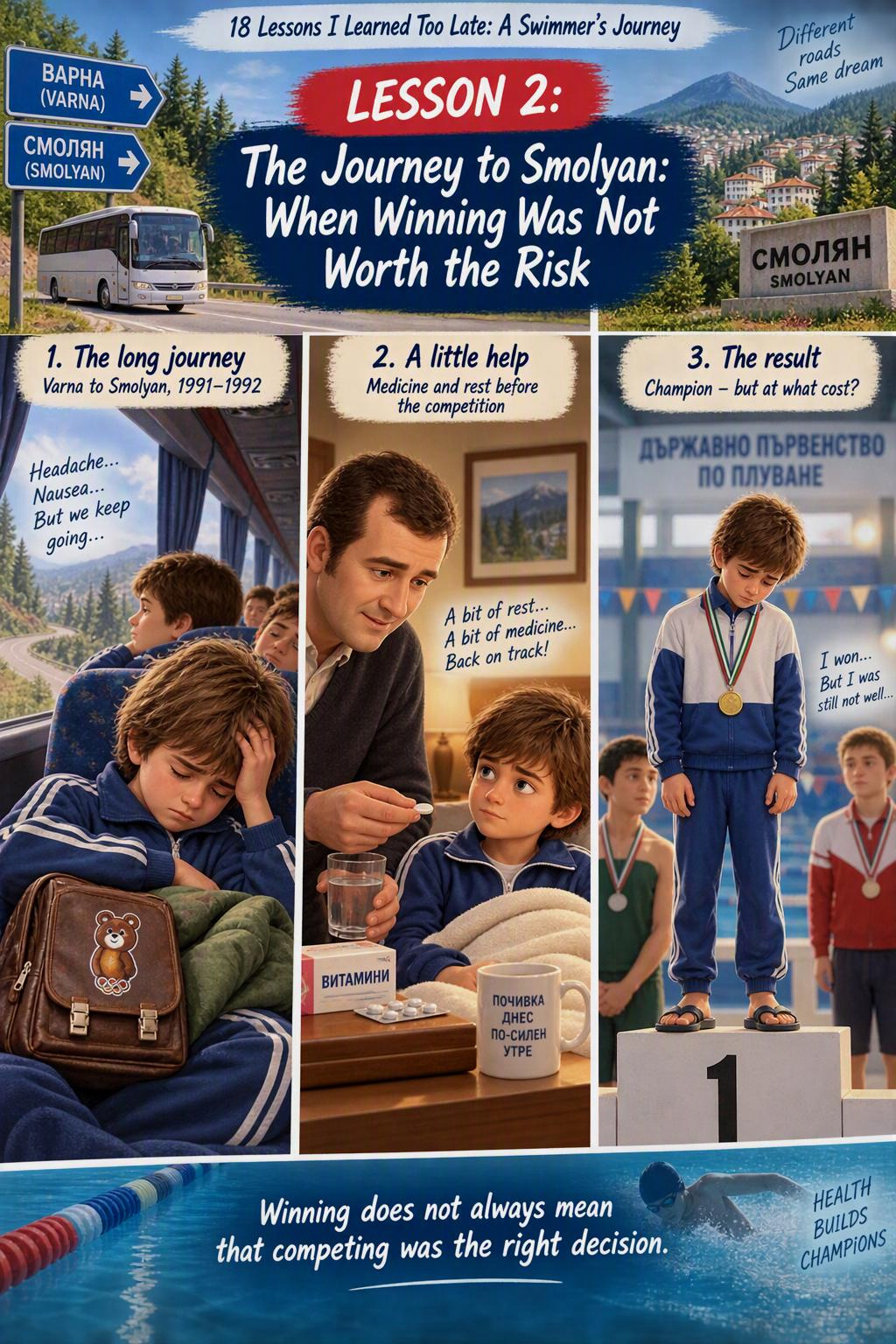
At thirteen, I travelled to a national championship feeling absolutely terrible.
Dizzy. Sick. Ready to collapse.
Then I won.
At the time I thought: "See? I was right to compete!"
What I didn’t realize was that winning can sometimes teach the wrong lesson.
The dizziness stayed for weeks.
Lesson learned
Success does not automatically mean the decision was smart.
Lesson 03
Watching Without Learning
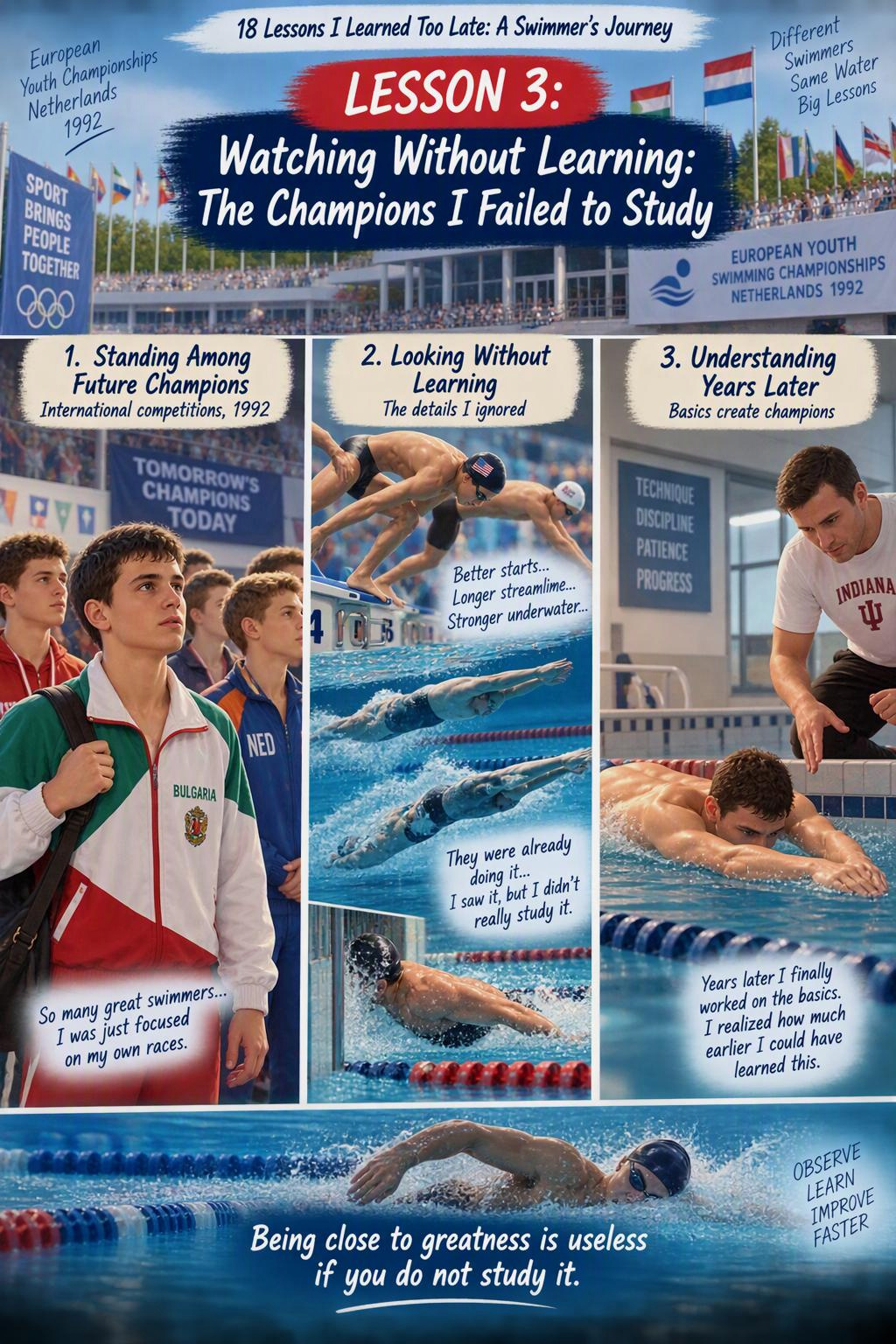
I competed against future world-class swimmers.
The funny part?
Instead of studying what made them great, I mostly worried about my own races.
Years later I was still learning things I could have learned simply by paying attention.
Imagine attending a masterclass and never looking at the teacher.
Lesson learned
Being close to greatness means nothing unless you’re willing to learn from it.
Lesson 04
Eleven Gold Medals
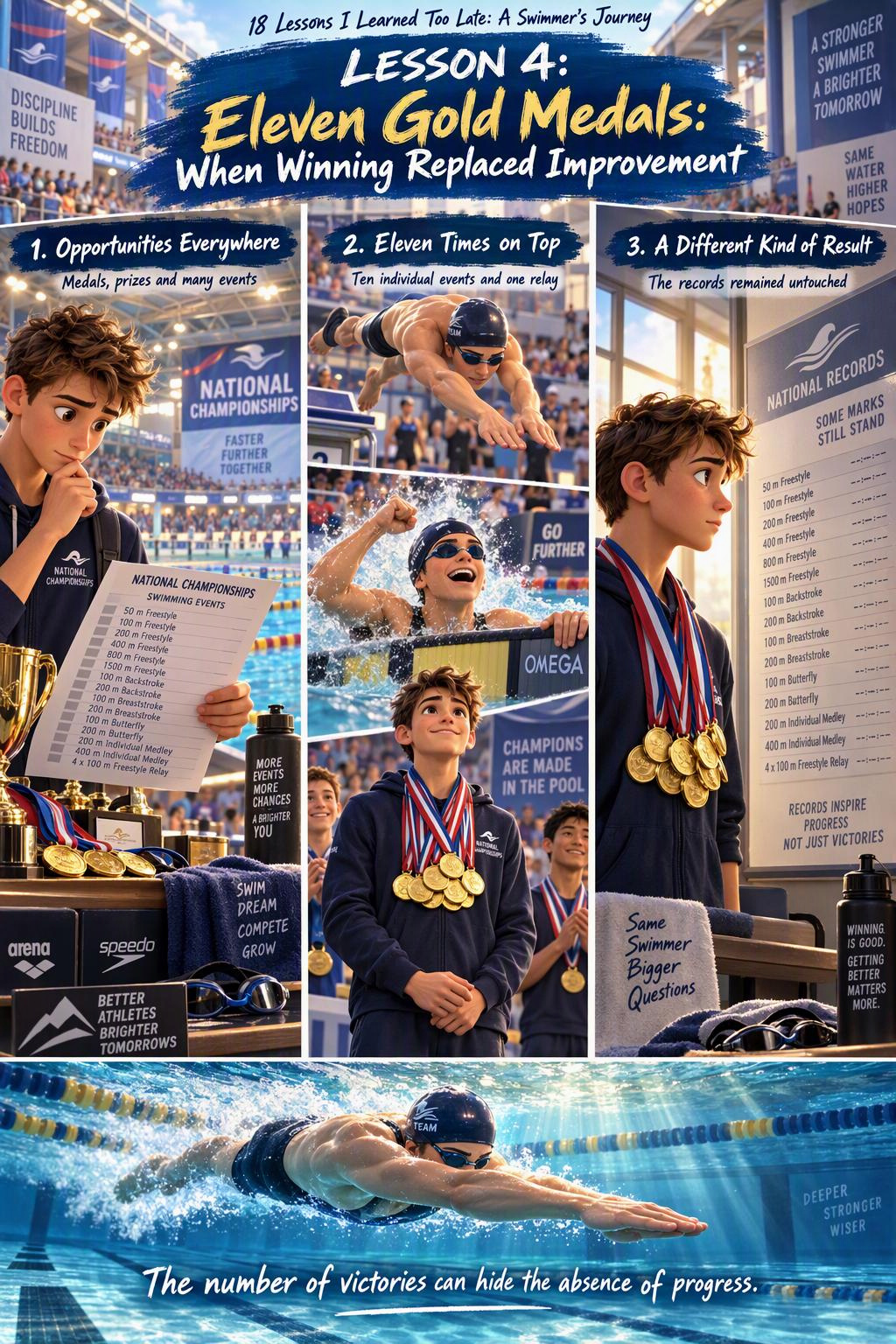
One sponsor announced that medals would be rewarded financially.
Teenage me immediately became an entrepreneur.
I entered almost everything.
Ten individual events plus a relay.
Eleven gold medals.
Sounds amazing, right?
The problem is that I raced to win medals, not to chase records.
Lesson learned
Winning can become a distraction from improvement.
Lesson 05
The Flight to Switzerland
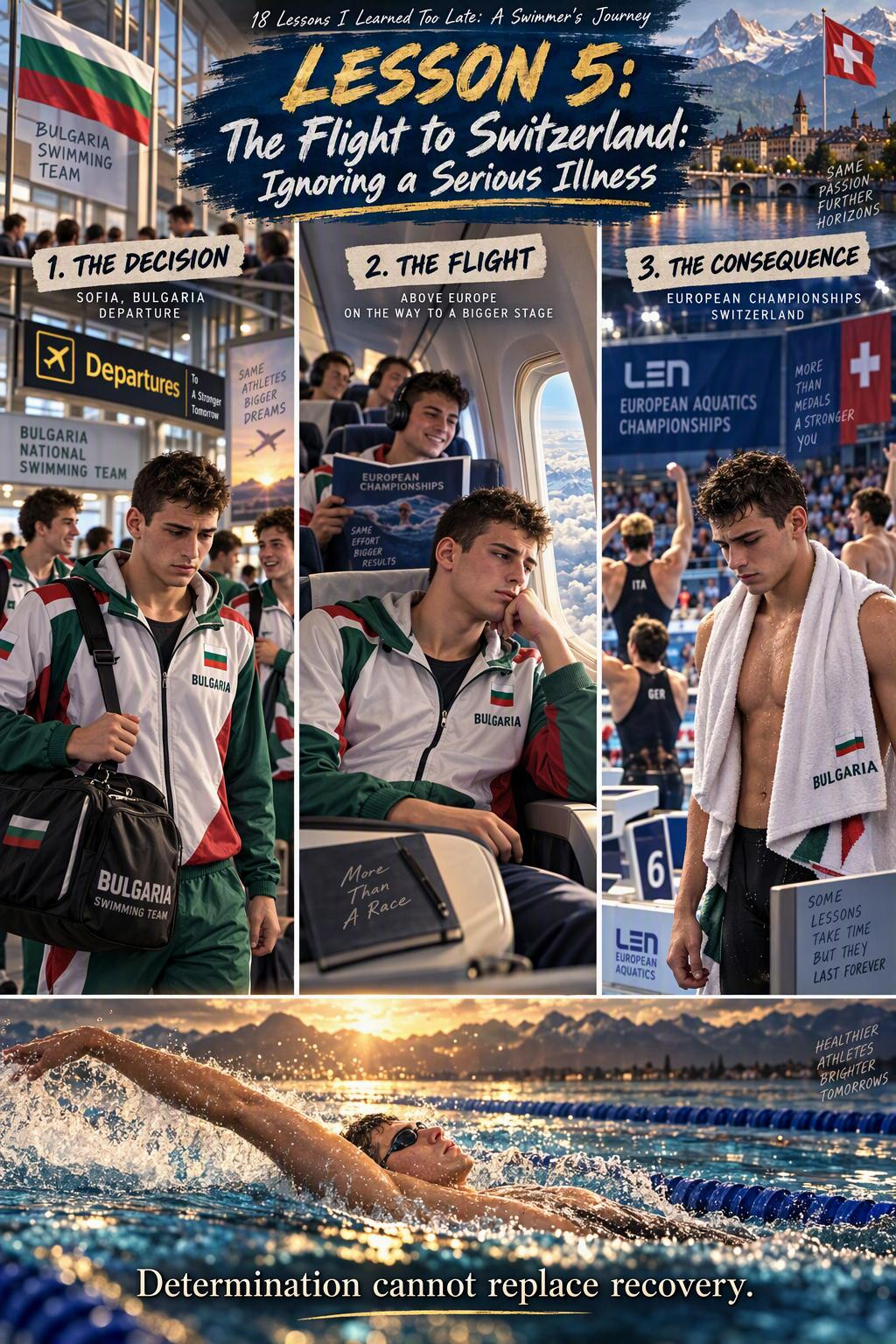
I flew to the European Championships seriously ill.
The sinus pressure during the flight was so painful that my teammate probably wondered whether I was trying to break his knee.
I still competed.
I still expected miracles.
Miracles did not arrive.
Lesson learned
Determination is important. Recovery is more important.
Lesson 06
Mental Training
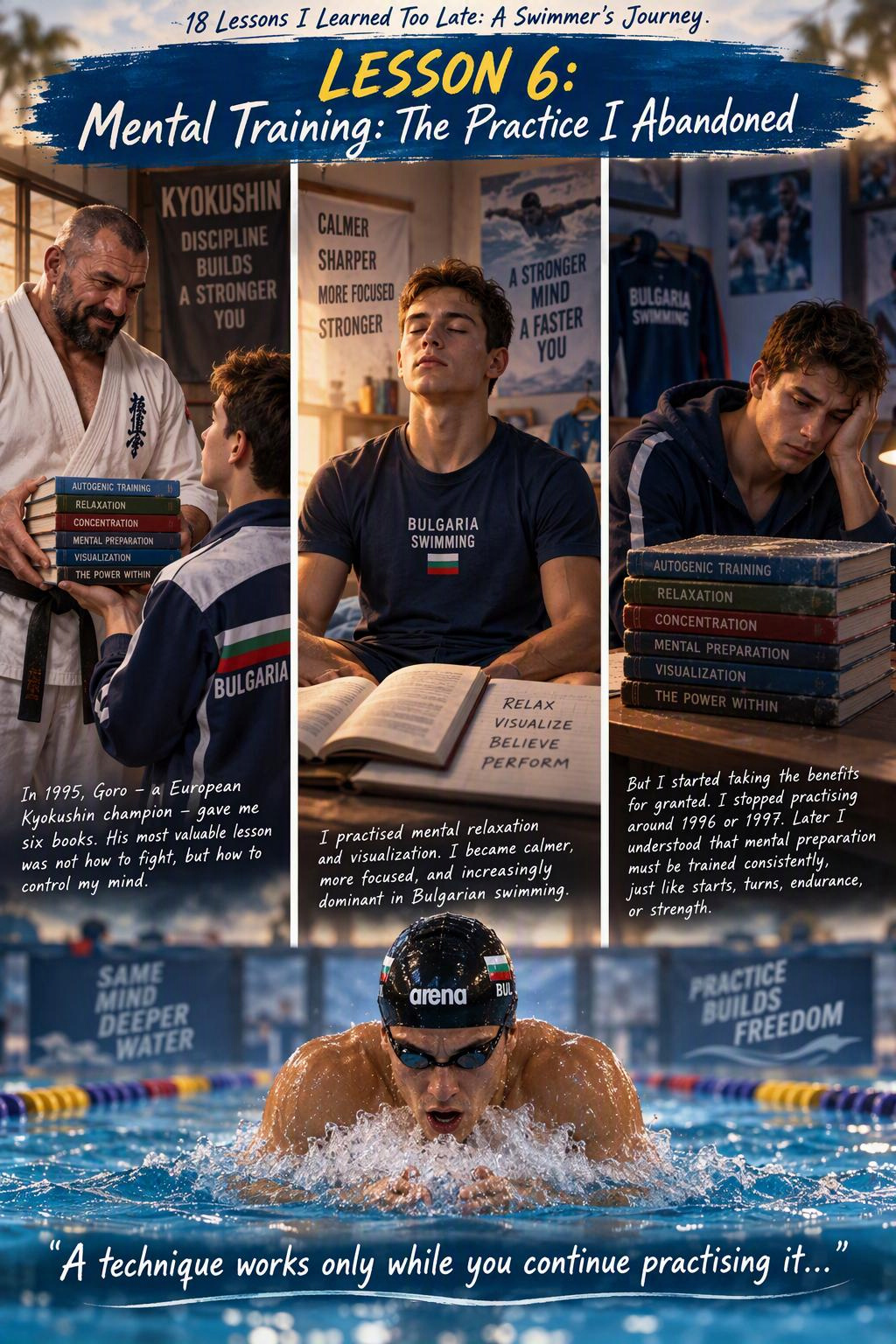
A European Kyokushin champion gave me six books on mental training.
I started practicing visualization and relaxation.
My results improved.
Then I did what many people do after success.
I stopped doing the thing that created the success.
Brilliant strategy.
Lesson learned
If something works, don’t stop doing it.
Lesson 07
July Morning
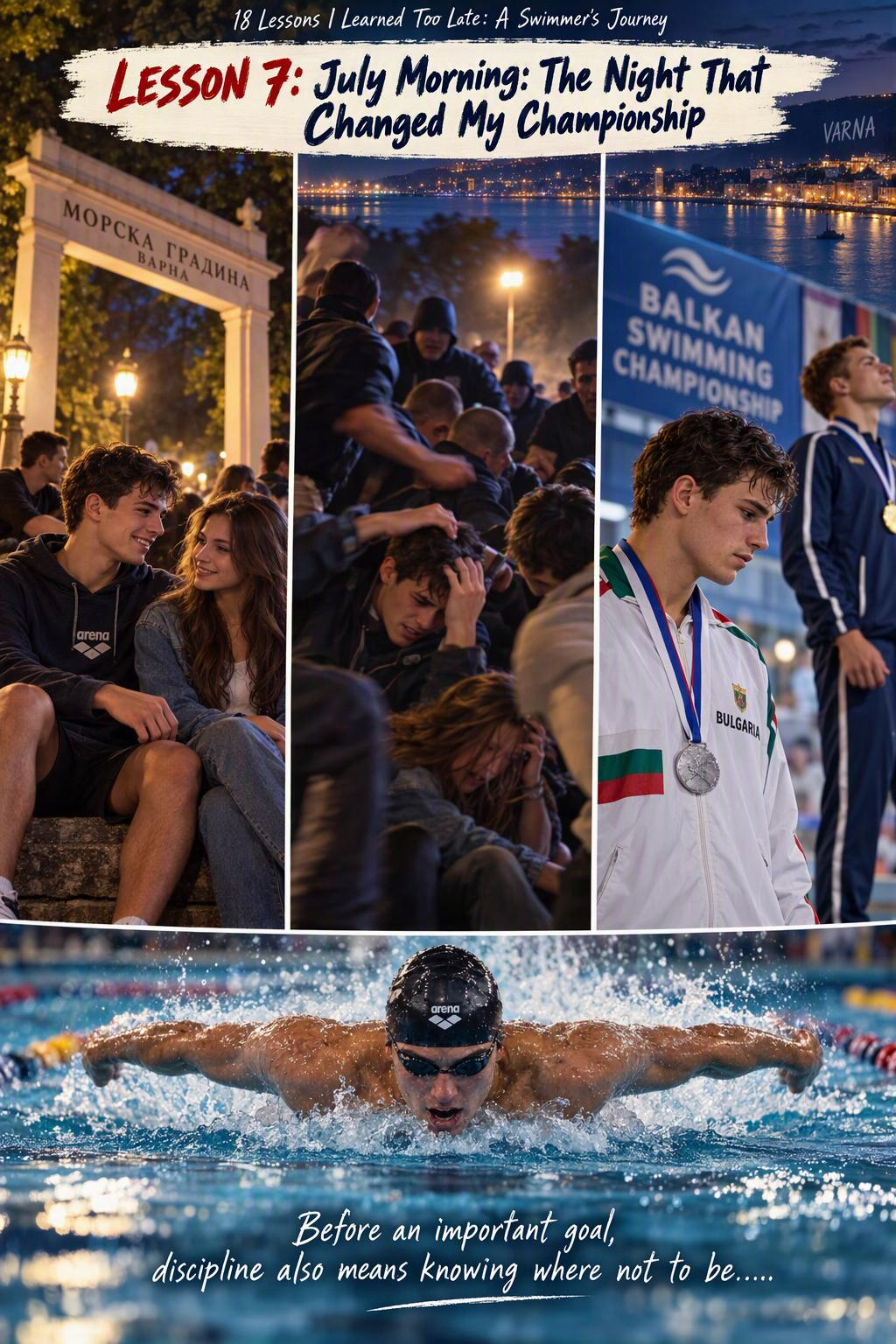
One summer night before an important championship, I went out instead of staying focused.
That decision eventually led to injuries, surgery, and a disrupted preparation.
At the time I thought discipline only existed in training.
Turns out discipline also includes choosing where not to be.
Lesson learned
Big goals can be damaged by small decisions.
Lesson 08
Kalin’s Ankle
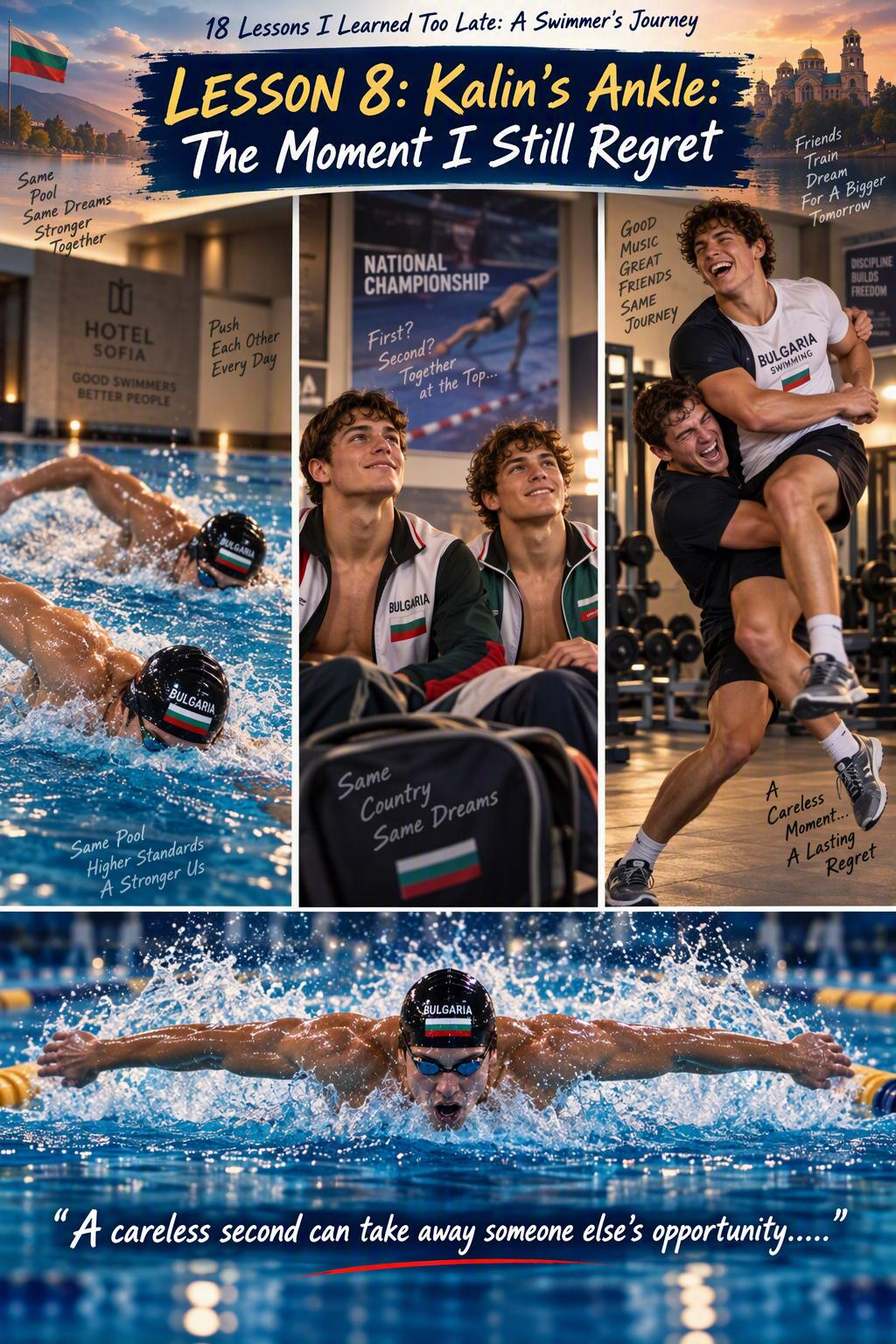
One moment of joking around.
One injury.
One missed championship.
Kalin was one of my closest friends and strongest competitors.
I’ve carried that memory for decades.
Sometimes life teaches us that good intentions do not protect us from consequences.
Lesson learned
Carelessness is expensive, even when nobody means harm.
Lesson 09
More Is Not Always Better
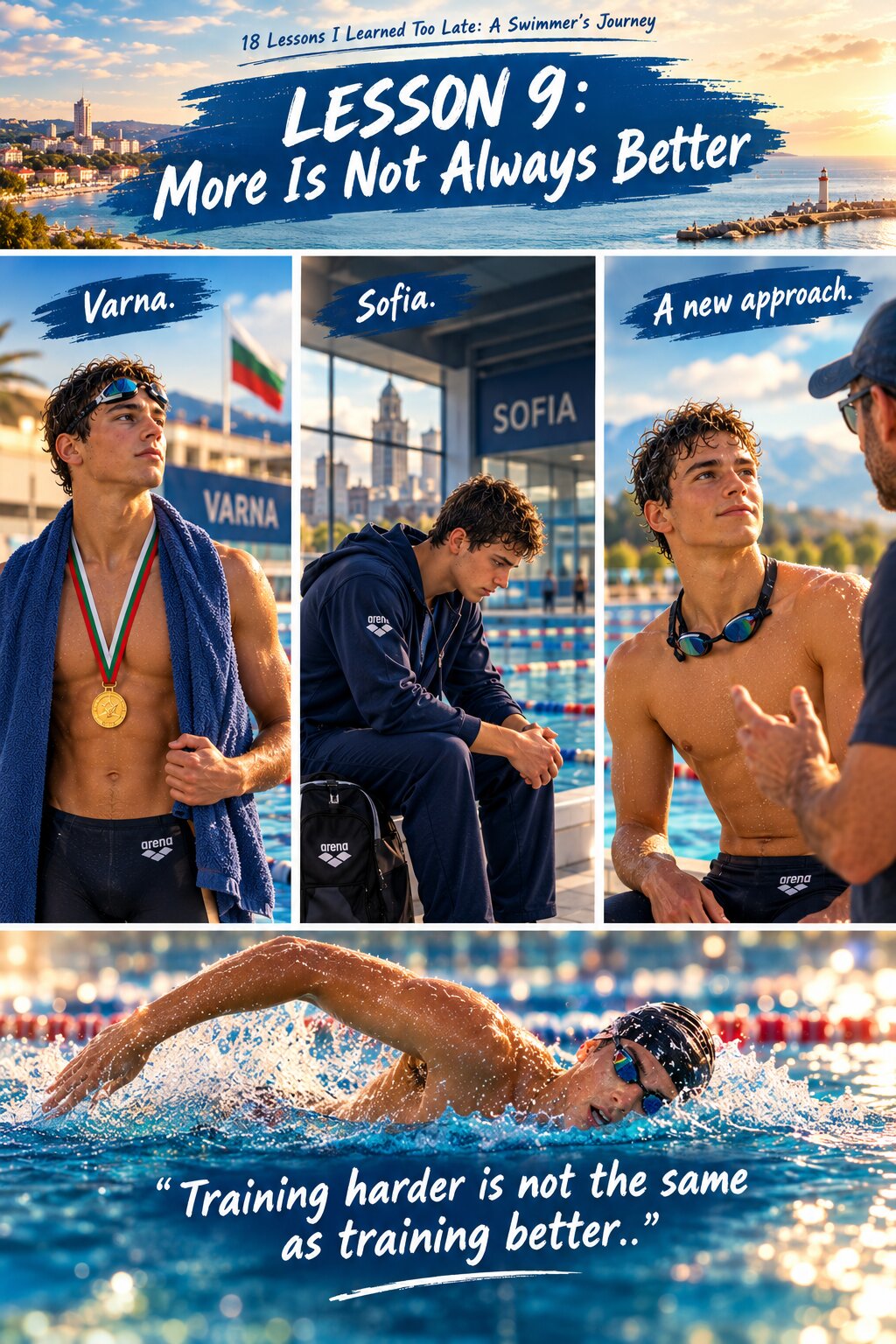
In Varna I trained less.
In Sofia I trained much more.
Everyone expected me to become dramatically faster.
The strange thing?
I wasn’t.
Turns out adding kilometers isn’t the same as adding performance.
Lesson learned
Better training beats more training.
Lesson 10
Chlorine and Silence
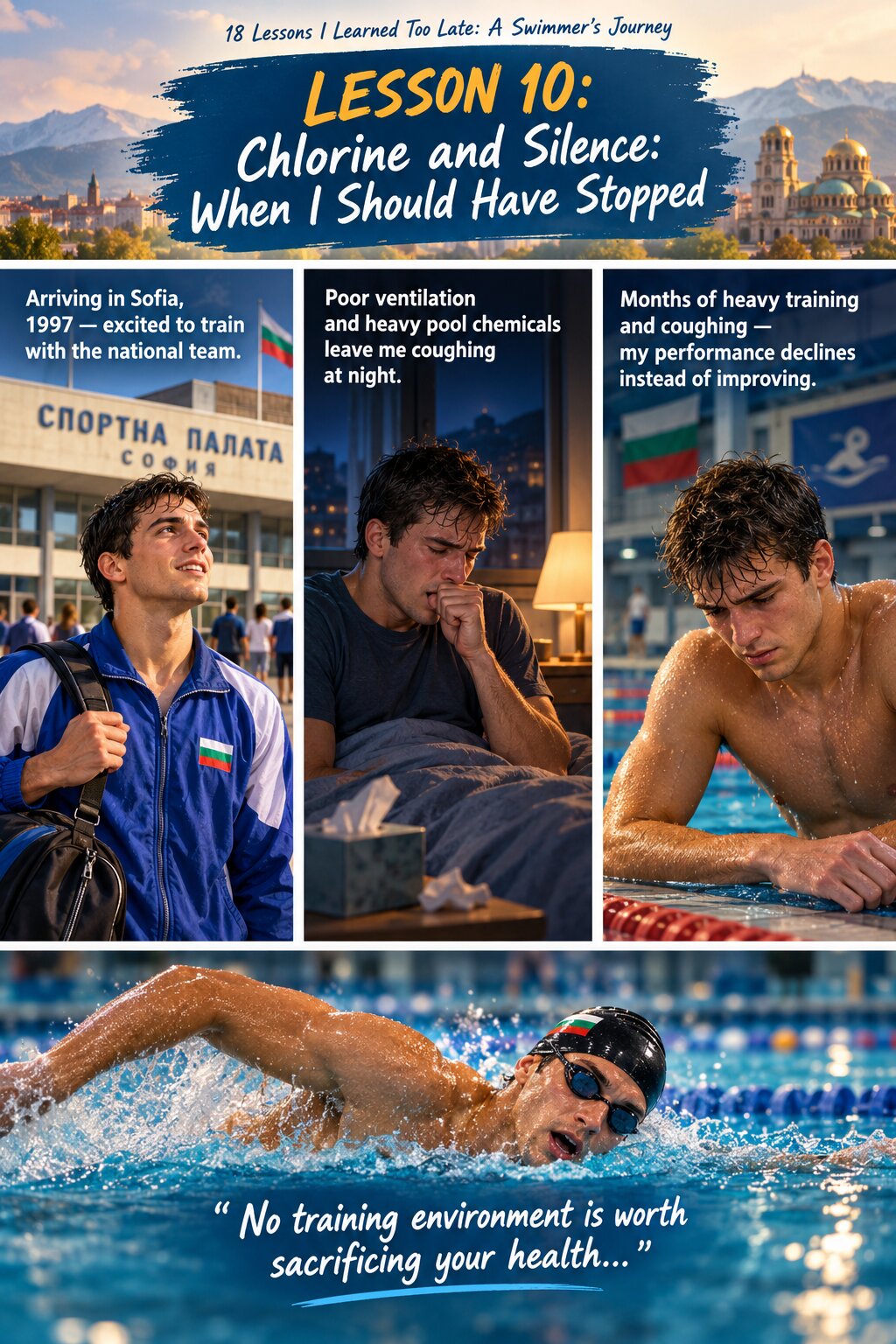
For months I couldn’t sleep properly.
I coughed constantly.
My performances got worse.
And yet I kept convincing myself that everything was fine.
Athletes can be surprisingly talented at ignoring obvious warning signs.
Lesson learned
Your body sends emails long before it sends shutdown notices.
Lesson 11
Losing Control
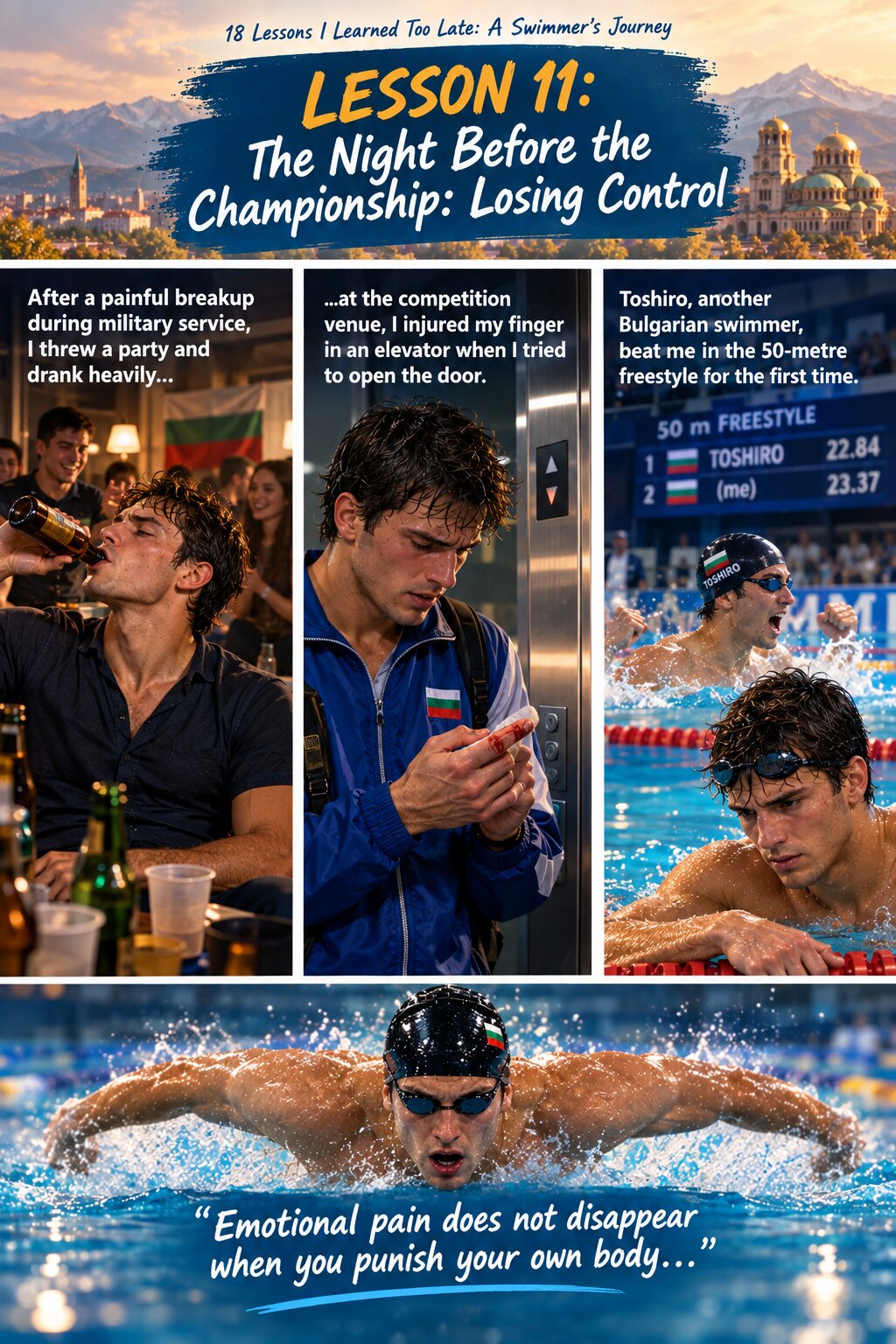
Heartbreak and elite sports are not a great combination.
I handled mine with a party, alcohol, snow, poor decisions, and a national championship immediately afterward.
Not exactly a high-performance strategy.
For the first time, I lost an event I expected to win.
Lesson learned
Emotional problems don’t disappear just because you ignore them.
Lesson 12
The Race I Never Started
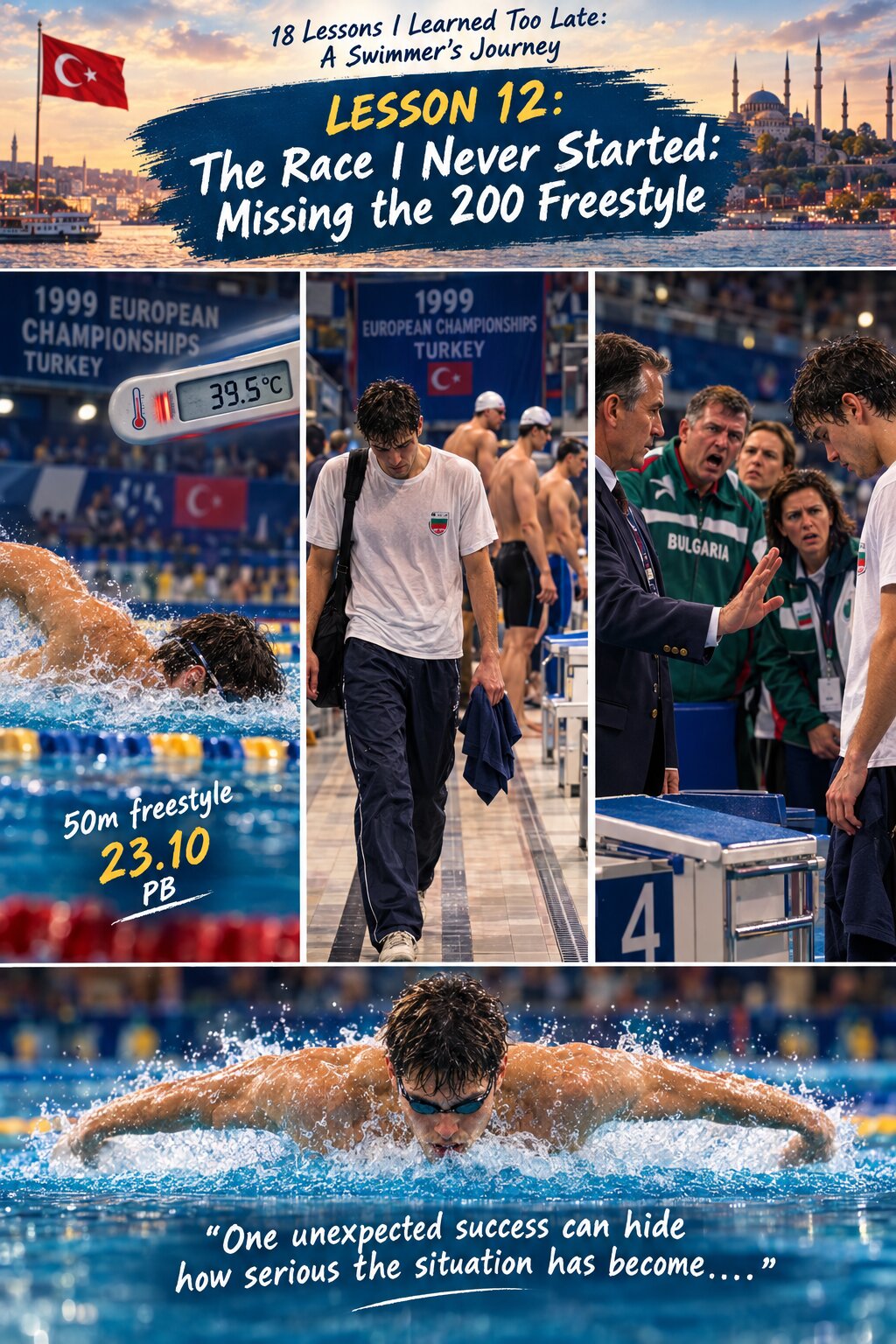
At the European Championships I swam a personal best despite a high fever.
I thought: "Maybe I’m actually fine."
I wasn’t.
A few days later I completely missed my next race.
The only thing moving fast that day wasn’t me. It was reality catching up.
Lesson learned
One good result doesn’t cancel a serious problem.
Lesson 13
Sofia or America
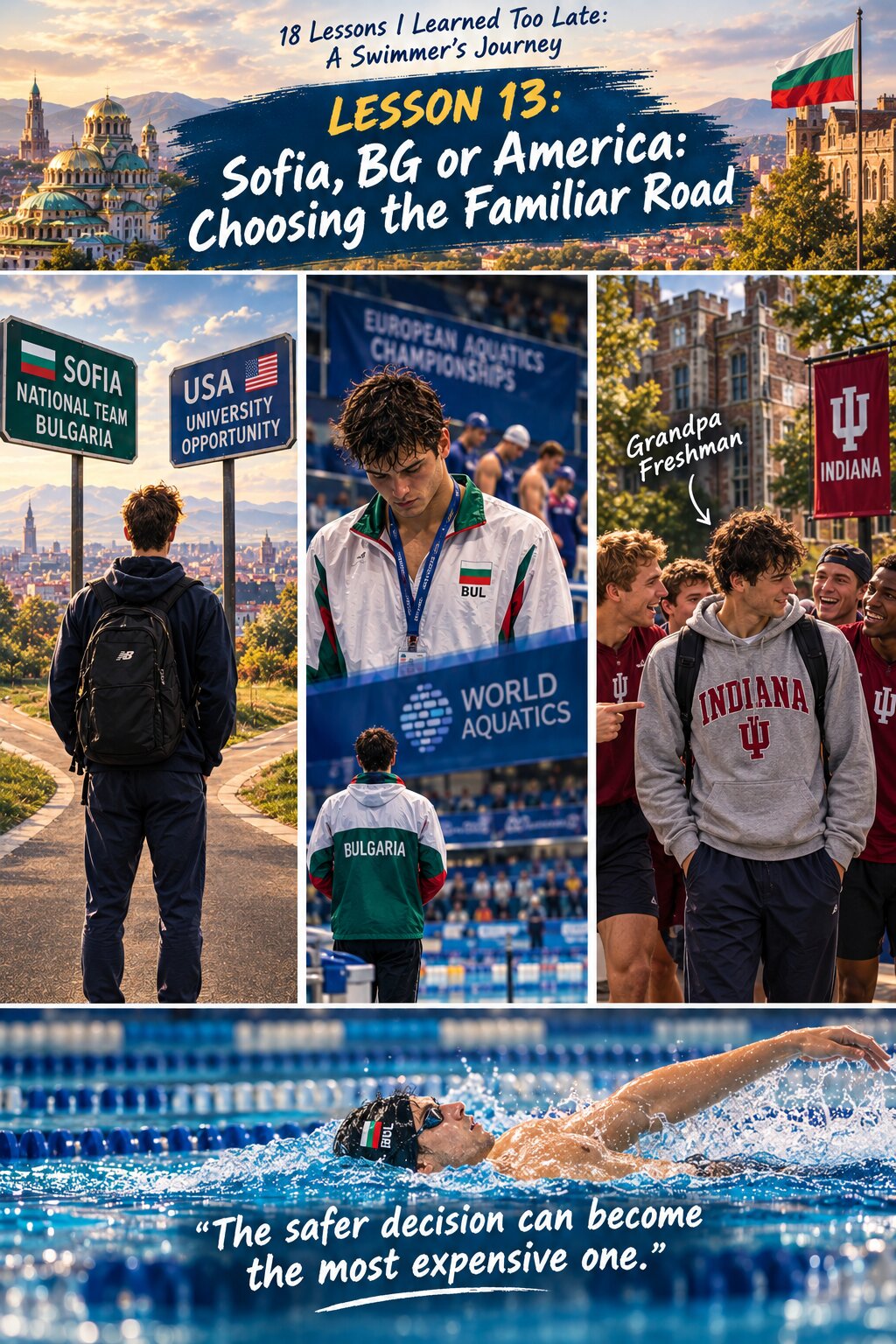
I chose the familiar path.
Not the better one.
Not the easier one.
The familiar one.
Years later I arrived in the United States at age 22 and was nicknamed "Grandpa Freshman."
The nickname felt accurate.
Lesson learned
Delayed opportunities often become expensive opportunities.
Lesson 14
The Food I Took for Granted
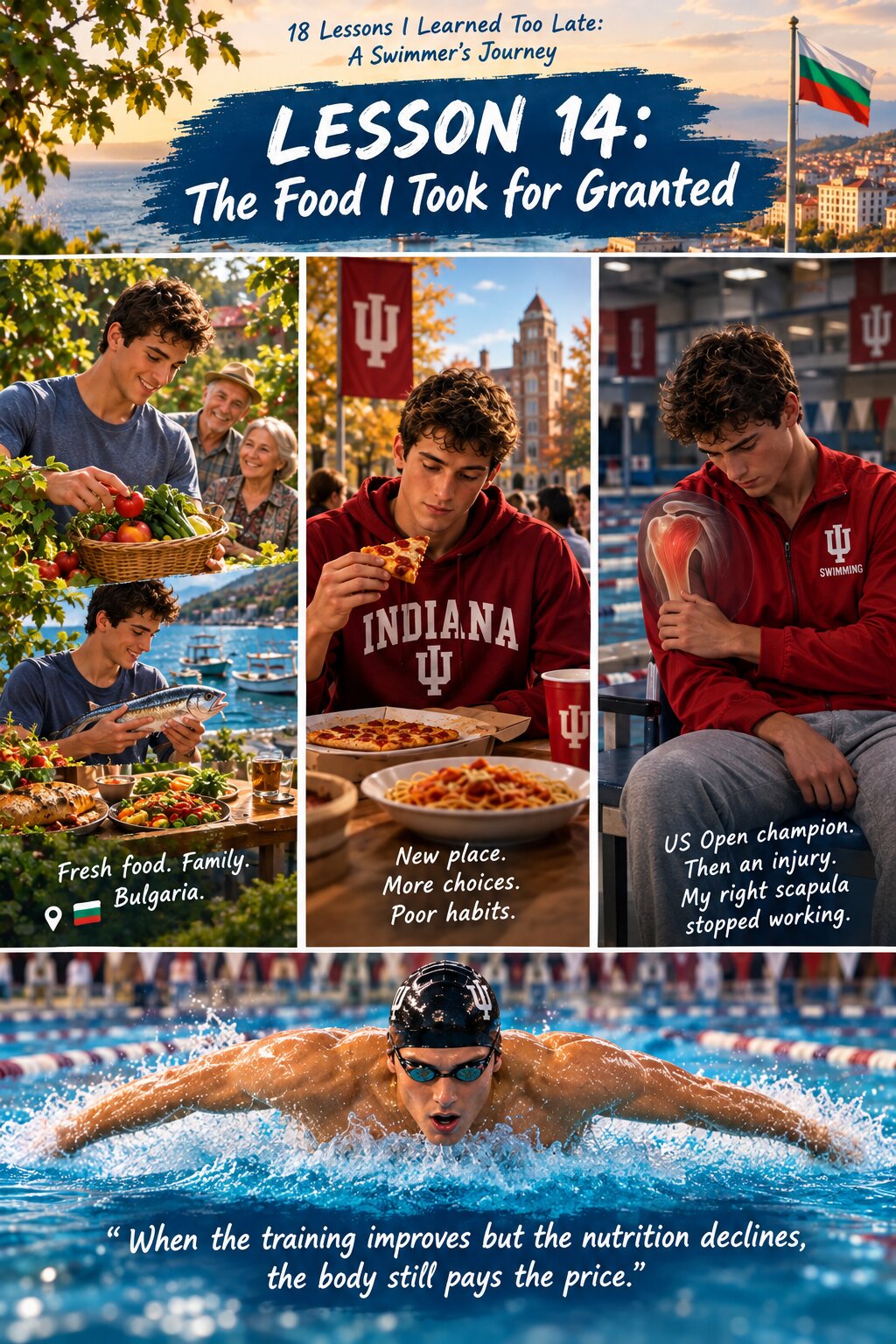
In Bulgaria my parents paid attention to nutrition.
In America I discovered unlimited food choices.
Unfortunately, most of my choices involved pizza.
A lot of pizza.
Elite training plus terrible recovery habits is a surprisingly ineffective combination.
Lesson learned
You can’t out-train poor nutrition forever.
Lesson 15
Four Hours of Sleep
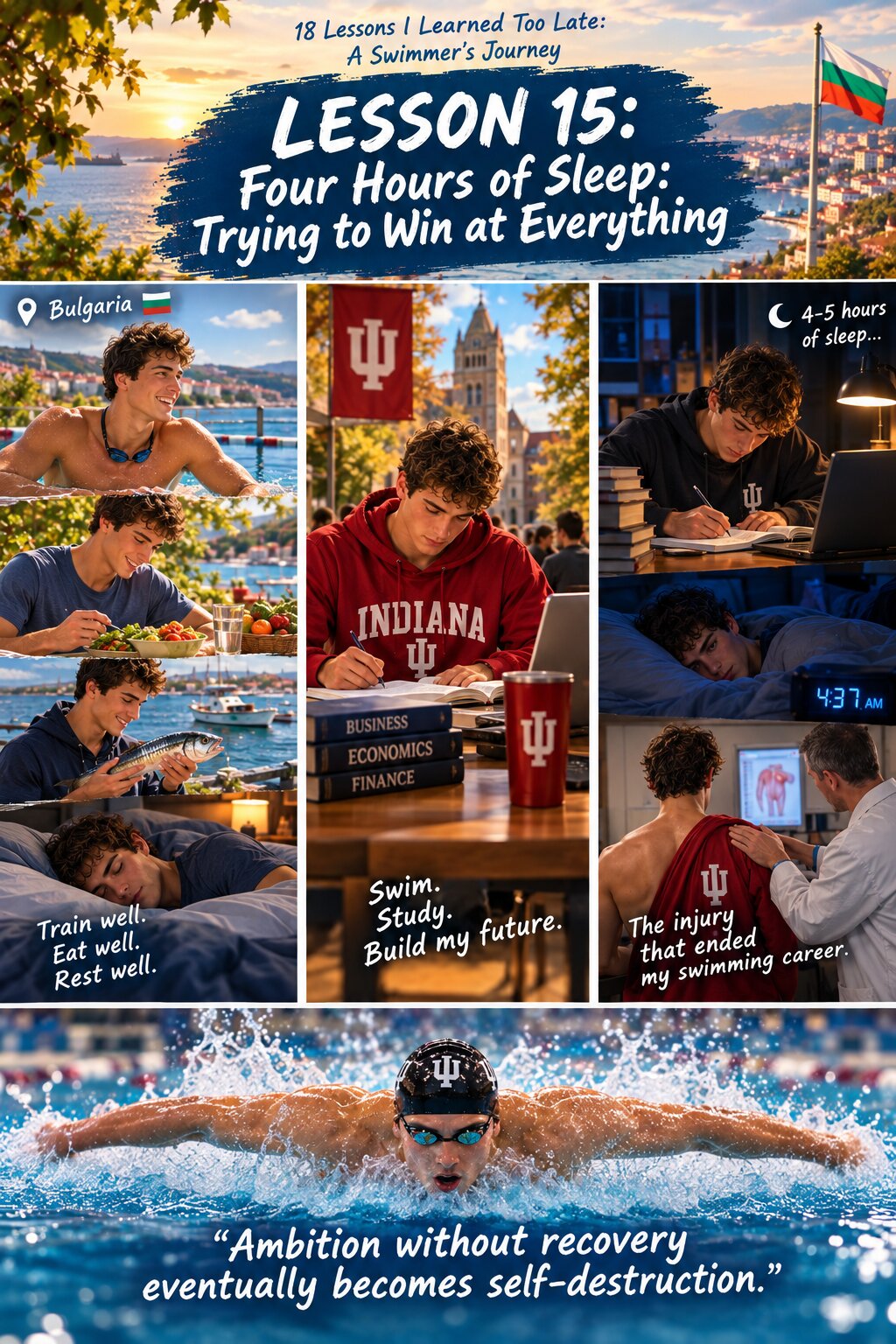
I wanted to be a great swimmer.
I wanted great grades.
I wanted multiple degrees.
I wanted everything.
There is a Bulgarian saying: "You can’t carry two watermelons under one arm."
I attempted three.
Lesson learned
Eventually something pays the price for doing too much.
Lesson 16
The American Dream Becomes Too Much
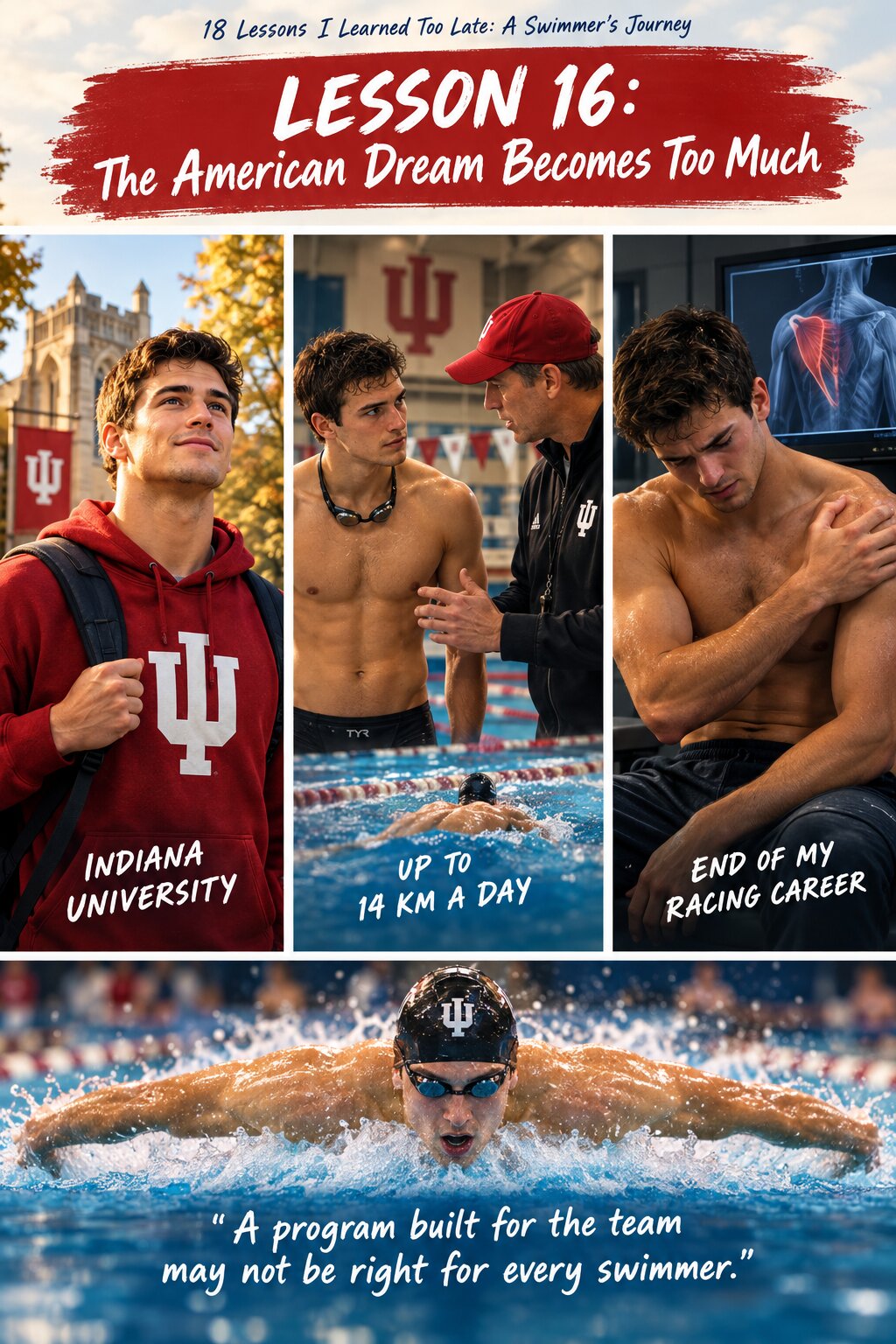
I arrived at one of the strongest university swimming programs in the world.
I trusted the process.
The process nearly broke me.
More volume.
More weights.
More kilometers.
More everything.
Except better results.
Lesson learned
The best system in the world isn’t best for everyone.
Lesson 17
Racing with a 40°C Fever
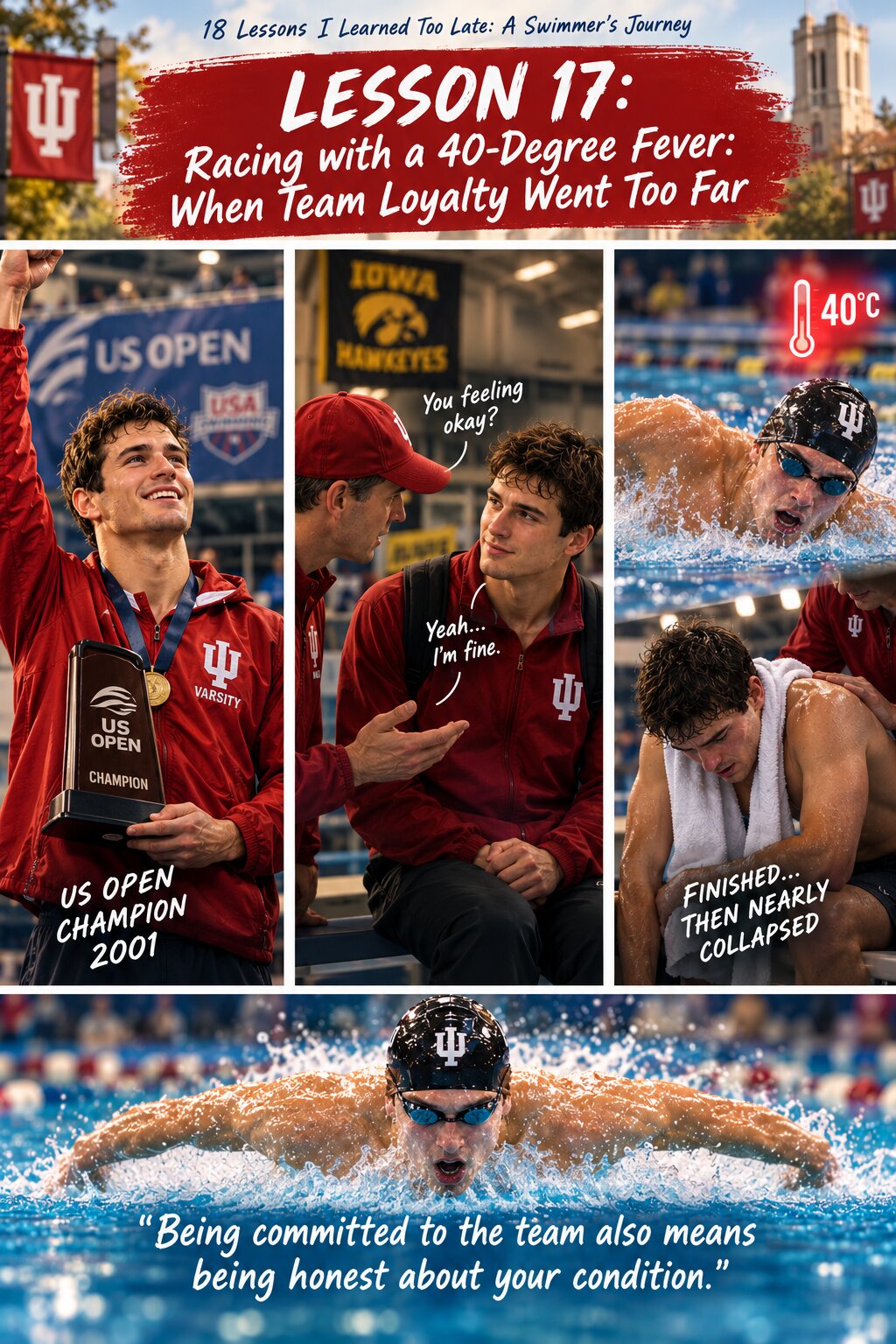
My coach asked if I was healthy.
I said yes.
My body disagreed.
A few hours later I was racing with a fever close to 40°C.
In hindsight, my body and coach were having completely different conversations.
Lesson learned
Team loyalty includes honesty.
Lesson 18
From SwiMMinD to ZLiX
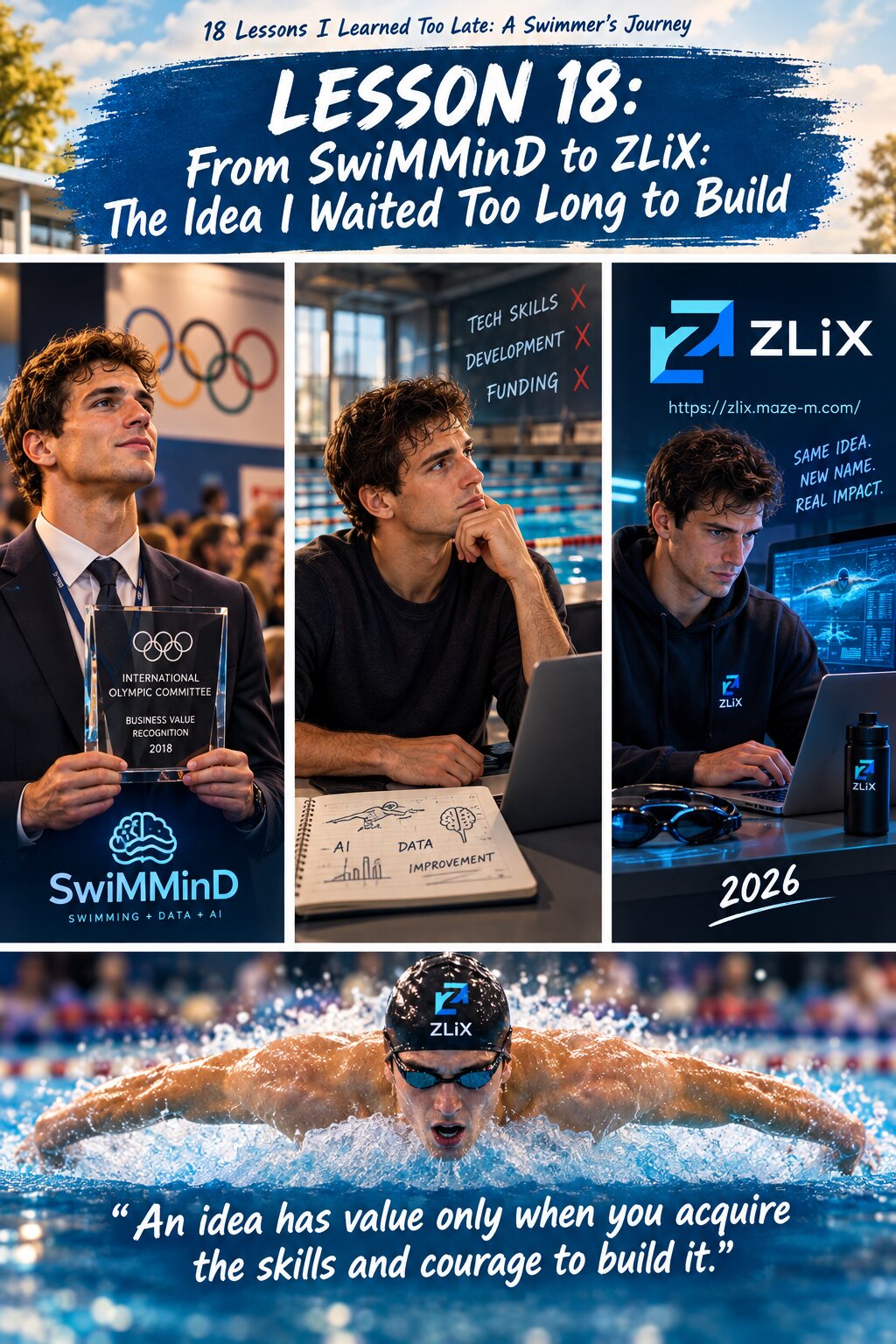
In 2018 I had the idea.
In 2026 I finally built it.
The gap wasn’t about technology.
It wasn’t about money.
It wasn’t about luck.
It was about becoming the person capable of building it.
Looking back, every lesson in this series helped create ZLiX.
Some lessons cost me medals.
Some cost me years.
But none were wasted.
Lesson learned
Ideas become valuable only when action catches up with imagination.
None of the Lessons Were Wasted
Looking back, I can see that every mistake, injury, victory, missed opportunity, difficult choice, and moment of self-deception left something behind.
Some lessons cost me medals. Some cost me years. Some continue to affect me physically even today.
But they also taught me to question assumptions, listen more carefully, learn from other people, and understand that effort without direction can sometimes take us further away from where we want to go.
The past cannot be changed, but the lessons from it can still change what happens next.
That belief eventually helped transform SwiMMinD from an idea into ZLiX.
Lesson 18 Continues
Discover What These Lessons Helped Create
ZLiX grew from the belief that swimmers should have better access to structured knowledge, objective guidance, and a clearer understanding of what to improve.
It is the first practical application powered by NEREUS and the continuation of an idea that began with SwiMMinD in 2018.
About the author
Valentin Milkov
Former Bulgarian national and NCAA Division I swimmer
Founder of ZLiX and Maze-M
Creator of the NEREUS cognitive-engine concept
Project manager, entrepreneur, and technology innovator